
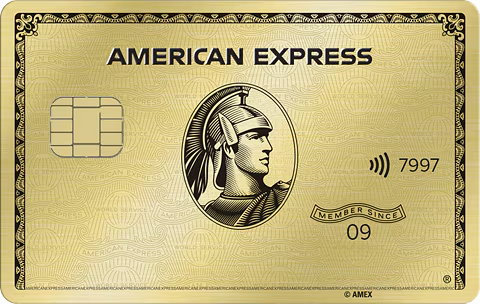
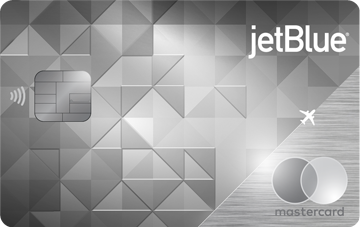
The Jetblue Premier Card edges out the American Express Gold Card for most cardholders — it wins on 2 of 4 comparison categories and offers 100,000 pts signup bonus earns more (up to 6x vs 4x). The American Express Gold Card is the better choice if you want no or lower annual fee.
American Express Gold Card vs Jetblue Premier Card
Side-by-side comparison of fees, rewards, benefits, and transfer partners.
Comparison Method
CardCurator compares measurable differences first: annual fee, current welcome offer, top-end earning, and recurring credits. If the cards are close, the right answer depends on spending pattern and perk usage rather than headline prestige.
- Restaurants (Worldwide) 4x
- U.S. Supermarkets 4x
- Flights (Direct or Amex Travel) 3x
- JetBlue Purchases 6x
- Restaurants & Groceries 2x
- All Other Purchases 1x
- Uber Cash $10
- Dining Credit $10
- Resy Credit $100
- +1 more
- True Blue Travel Statement Credits $300
- Global Entry/TSA PreCheck Credit $120
- The Hotel Collection Access
- Baggage Insurance Plan
- Trip Delay Insurance
- Free First Checked Bag (~$68/yr)
- Priority Pass (~$119/yr)
- Group A Boarding
- +5 more
- Flying Blue
- Delta SkyMiles
- JetBlue TrueBlue
- Qatar Avios
- Virgin Atlantic Flying Club
- +13 more
Quick summary
A short version of the comparison with the main differences at a glance.
The Jetblue Premier Card edges out the American Express Gold Card for most cardholders — it wins on 2 of 4 comparison categories and offers 100,000 pts signup bonus earns more (up to 6x vs 4x). The American Express Gold Card is the better choice if you want no or lower annual fee. On raw upside, Jetblue Premier Card tops out at 6x versus 4x for American Express Gold Card. Current signup bonus values are roughly $1000 for American Express Gold Card and $1000 for Jetblue Premier Card. Updated May 30, 2026. Source: https://cardcurator.ai/compare/american-express-gold-card-vs-jetblue-premier-card
- Jetblue Premier Card wins 2 of 4 comparison categories in CardCurator's quick verdict model.
- Top earn rate: Jetblue Premier Card reaches 6x; American Express Gold Card reaches 4x.
- Annual fee: Jetblue Premier Card is $499/yr; American Express Gold Card is $325/yr.
- Current public bonus values are approximately $1000 and $1000.
Common Questions: American Express Gold Card vs Jetblue Premier Card
Is the American Express Gold Card or Jetblue Premier Card better for dining?
American Express Gold Card earns 4x on dining; Jetblue Premier Card earns 2x on dining. American Express Gold Card wins for dining.
Which has the higher signup bonus in 2026?
American Express Gold Card currently offers 100,000 pts signup bonus (spend $6,000 in 6 months). Jetblue Premier Card offers 100,000 pts signup bonus (spend $5,000 in 3 months). Both bonuses are roughly equal in value.
Which card is better for international travel?
Both cards charge no foreign transaction fees, making either a solid choice for international travel.
Can I hold both the American Express Gold Card and the Jetblue Premier Card?
In most cases yes — holding both is allowed and can be a smart strategy for maximizing rewards across different spending categories. American Express Gold Card is from American Express and Jetblue Premier Card is from Barclays, so they're governed by separate bank policies.