
The Chase Sapphire Reserve Business edges out the AT&T Points Plus Card for most cardholders — it wins on 3 of 4 comparison categories and offers 200,000 pts signup bonus earns more (up to 8x vs 3x). The AT&T Points Plus Card is the better choice if you want no or lower annual fee.
AT&T Points Plus Card vs Chase Sapphire Reserve Business
Side-by-side comparison of fees, rewards, benefits, and transfer partners.
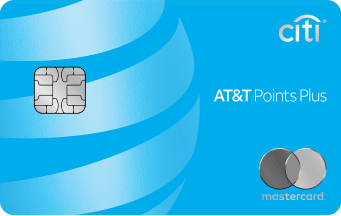
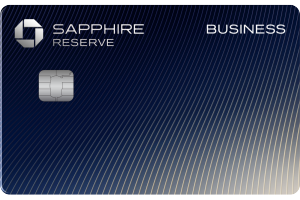
- gas and EV charging stations 3x
- AT&T purchases 2x
- grocery stores, including grocery delivery services 2x
- Chase Travel (including The Edit) 8x
- Lyft rides 5x
- flights & hotels booked direct 4x
- Monthly Statement Credit $20
- Annual Travel Credit $300
- Stays with the Edit $250
- Priority Pass Select Membership $429
- +1 more
- Chase Sapphire Lounge (~$200/yr)
- AAdvantage
- AAdvantage
- Accor Live Limitless
- Accor Live Limitless
- Avianca LifeMiles
- +33 more
- Virgin Atlantic Flying Club
- Aer Lingus AerClub
- Air Canada Aeroplan
- British Airways Executive Club
- Flying Blue
- +9 more
Common Questions: AT&T Points Plus Card vs Chase Sapphire Reserve Business
Is the AT&T Points Plus Card or Chase Sapphire Reserve Business better for dining?
Neither card offers a specific dining bonus — both earn their base rate on restaurant purchases.
Which has the higher signup bonus in 2026?
AT&T Points Plus Card currently offers $3 signup bonus (spend $500 in 3 months). Chase Sapphire Reserve Business offers 200,000 pts signup bonus (spend $30,000 in 3 months). Chase Sapphire Reserve Business has the larger bonus.
Which card is better for international travel?
Both cards charge no foreign transaction fees, making either a solid choice for international travel.
Can I hold both the AT&T Points Plus Card and the Chase Sapphire Reserve Business?
In most cases yes — holding both is allowed and can be a smart strategy for maximizing rewards across different spending categories. AT&T Points Plus Card is from Citi and Chase Sapphire Reserve Business is from Chase, so they're governed by separate bank policies.