
Best Credit Cards for Fair Credit
For fair credit, prioritize a manageable card that supports on-time payments and low utilization. Stronger rewards can come later as your profile improves.
Why this matters: An accessible, low-cost card can help build a stronger profile. A high-fee card or too many applications can make progress harder.
Best overall, lowest-fee, and easier-entry options.
Best overall
Chase Freedom Rise®No annual fee
Capital One Quicksilver Student Cash Rewards Credit CardLower-friction option
Go RewardsCurrent Best Overall Pick

Chase Freedom Rise®
fair credit positioning, no annual fee, and $25 statement credit.
What To Look For
What To Watch Out For
Top Cards To Compare
Chase Freedom Rise®
fair credit positioning, no annual fee, and $25 statement credit.

Capital One Quicksilver Student Cash Rewards Credit Card
fair credit positioning, no annual fee, and 5,000 points.

Go Rewards
fair credit positioning, no annual fee, and 15,000 points.

Discover it® Student Cash Back
fair credit positioning, no annual fee, and Current bonus available.

Discover it Student Chrome
fair credit positioning, no annual fee, and Current bonus available.
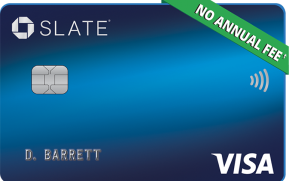
Chase Slate Credit Card
fair credit positioning, no annual fee, and No current welcome bonus listed.
Frequently Asked Questions
What matters most when choosing a credit card for fair credit?
Fair-credit applicants should focus on sustainable approval and healthy use before maximizing rewards. CardCurator prioritizes fit first, then reward strength, fee drag, and current offer value.
What is the best overall credit card for fair credit?
Chase Freedom Rise® is the current top pick because it combines fair credit positioning, no annual fee, and $25 statement credit.
Is there a good no-annual-fee option for fair credit?
Yes. Capital One Quicksilver Student Cash Rewards Credit Card is the strongest no-fee option in this set and still offers 5,000 points.
How does CardCurator rank cards for fair credit?
These picks prioritize active cards positioned for fair credit, with low cost and long-term usability weighed heavily. Rankings are based on current public data, card economics, and audience fit rather than a generic one-size-fits-all score.