
Best Credit Cards For Business Owners
Business owners can use a dedicated business card to earn on operating costs, keep expenses organized, and pursue welcome offers that match real company spending.
Why this matters: A business card can separate business purchases from personal spending while making recurring operating costs work harder.
Best overall, lowest-fee, and easier-entry options.
Best overall
Chase Ink Business PreferredNo annual fee
Blue Business Plus Credit Card from American ExpressLower-friction option
Blue Business Cash CardCurrent Best Overall Pick

Chase Ink Business Preferred
Business-card fit with $95 annual fee and 100,000 points.
What To Look For
What To Watch Out For
Top Cards To Compare
Chase Ink Business Preferred
Business-card fit with $95 annual fee and 100,000 points.
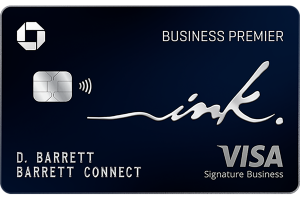
Chase Ink Business Premier
Business-card fit with $195 annual fee and 100,000 points.
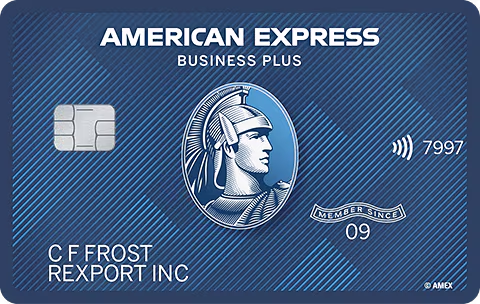
Blue Business Plus Credit Card from American Express
Business-card fit with no annual fee and 75,000 points.
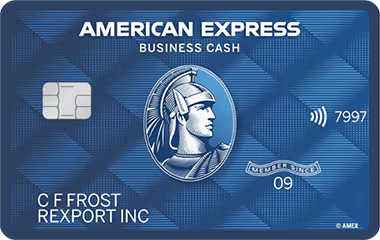
Blue Business Cash Card
Business-card fit with no annual fee and $500 statement credit.
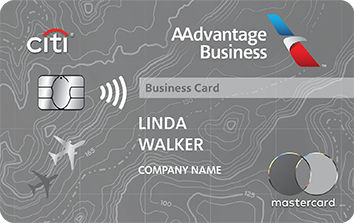
AAdvantage Business World Elite Mastercard
Business-card fit with $99 annual fee and 75,000 points.
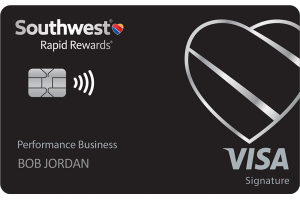
Southwest Performance Business
Business-card fit with $299 annual fee and 80,000 points.
Frequently Asked Questions
What matters most when choosing a credit card for business owners?
Business owners generally need a card that earns on real expenses and makes cash-flow management simpler. CardCurator prioritizes fit first, then reward strength, fee drag, and current offer value.
What is the best overall credit card for business owners?
Chase Ink Business Preferred is the current top pick because it combines business-card fit with $95 annual fee and 100,000 points.
Is there a good no-annual-fee option for business owners?
Yes. Blue Business Plus Credit Card from American Express is the strongest no-fee option in this set and still offers 75,000 points.
How does CardCurator rank cards for business owners?
These picks prioritize active business cards, operating-spend rewards, and current public welcome-offer value. Rankings are based on current public data, card economics, and audience fit rather than a generic one-size-fits-all score.