
U.S Bank Business Leverage vs Wells Fargo Autograph Journey
Side-by-side comparison of fees, rewards, benefits, and transfer partners.
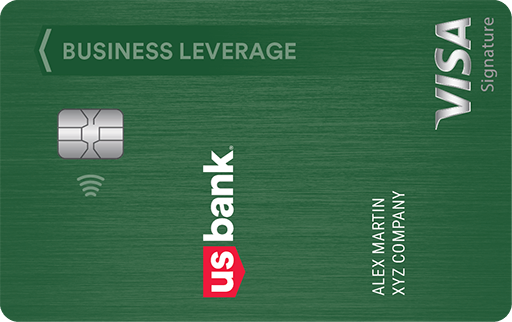
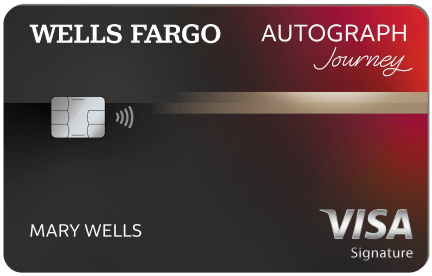
- U.S. Bank Travel Center 5x
- Top 2 Spending Categories (Automatic) 2x
- All Other Purchases 1x
- Hotels 5x
- Airlines 4x
- Other Travel and Restaurants 3x
- Annual Statement Credit $50
- Aer Lingus AerClub
- Flying Blue
- Avianca LifeMiles
- British Airways Executive Club
- Iberia Plus
- +3 more
Common Questions: U.S Bank Business Leverage vs Wells Fargo Autograph Journey
Is the U.S Bank Business Leverage or Wells Fargo Autograph Journey better for dining?
U.S Bank Business Leverage has no dining bonus; Wells Fargo Autograph Journey earns 3x on dining.
Which has the higher signup bonus in 2026?
U.S Bank Business Leverage currently offers 75,000 pts signup bonus (spend $7,500 in 4 months). Wells Fargo Autograph Journey offers 60,000 pts signup bonus (spend $4,000 in 3 months). U.S Bank Business Leverage has the larger bonus.
Which card is better for international travel?
Wells Fargo Autograph Journey charges no foreign transaction fees — the better pick for international use. U.S Bank Business Leverage charges 3% on foreign purchases.
Can I hold both the U.S Bank Business Leverage and the Wells Fargo Autograph Journey?
In most cases yes — holding both is allowed and can be a smart strategy for maximizing rewards across different spending categories. U.S Bank Business Leverage is from U.S. Bank and Wells Fargo Autograph Journey is from Wells Fargo, so they're governed by separate bank policies.