
Platinum vs The Platinum Card from American Express
Side-by-side comparison of fees, rewards, benefits, and transfer partners.
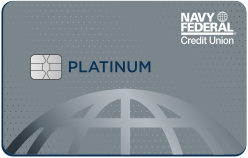
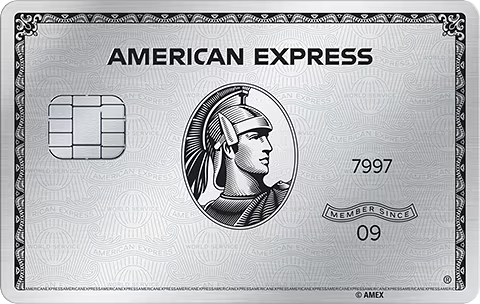
- All Purchases 1x
- Flights (Direct or Amex Travel) 5x
- Prepaid Hotels (Amex Travel) 5x
- All Other Purchases 1x
- Prepaid Hotel Credit $200
- Uber Cash $15
- Airline Fee Credit $200
- +4 more
- Centurion Lounge Access
- Priority Pass Select
- Delta Sky Club Access
- +6 more
- Flying Blue
- Delta SkyMiles
- True Blue
- Qatar Avios
- Virgin Atlantic Flying Club
- +13 more
Common Questions: Platinum vs The Platinum Card from American Express
Is the Platinum or The Platinum Card from American Express better for dining?
Neither card offers a specific dining bonus — both earn their base rate on restaurant purchases.
Which has the higher signup bonus in 2026?
Platinum currently offers no current bonus. The Platinum Card from American Express offers 175,000 pts signup bonus (spend $12,000 in 6 months). The Platinum Card from American Express has the larger bonus.
Which card is better for international travel?
Both cards charge no foreign transaction fees, making either a solid choice for international travel.
Can I hold both the Platinum and the The Platinum Card from American Express?
In most cases yes — holding both is allowed and can be a smart strategy for maximizing rewards across different spending categories. Platinum is from Navy Federal Credit Union and The Platinum Card from American Express is from American Express, so they're governed by separate bank policies.