
Card Comparison
AT&T Points Plus Card vs United Quest
Side-by-side comparison of fees, rewards, benefits, and transfer partners.
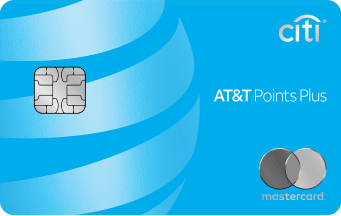

Annual Fee
No annual fee
$350/yr
Foreign Fees
3%
None
Signup Bonus
20,000 points
Spend $1,000 in 3 months
70,000 points
Spend $4,000 in 3 months
Top Earn Rates
- gas and EV charging stations 3x
- grocery stores, including grocery delivery services 2x
- All Other Purchases 1x
- Prepaid Hotel Stays (Renowned Hotels) 5x
- United Flights 3x
- Other Travel 2x
Reward Type
miles
miles
Key Credits
- AT&T wireless bills $20
- United Travel Credit $200
- Statement Credit $150
- Statement Credit $100
- +3 more
Card Perks
None listed
- Free First and Second Checked Bags
- Priority Boarding
- 25% Back on United Inflight Purchases
- +1 more
Transfer Partners
- AAdvantage
- AAdvantage
- Aeromexico Club Premier
- Aeromexico Club Premier
- Accor Live Limitless
- +35 more
No transfer partners
Common Questions: AT&T Points Plus Card vs United Quest
Is the AT&T Points Plus Card or United Quest better for dining?
AT&T Points Plus Card has no dining bonus; United Quest earns 2x on dining.
Which has the higher signup bonus in 2026?
AT&T Points Plus Card currently offers 20,000 pts signup bonus (spend $1,000 in 3 months). United Quest offers 70,000 pts signup bonus (spend $4,000 in 3 months). United Quest has the larger bonus.
Which card is better for international travel?
United Quest charges no foreign transaction fees — the better pick for international use. AT&T Points Plus Card charges 3% on foreign purchases.
Can I hold both the AT&T Points Plus Card and the United Quest?
In most cases yes — holding both is allowed and can be a smart strategy for maximizing rewards across different spending categories. AT&T Points Plus Card is from Citi and United Quest is from Chase, so they're governed by separate bank policies.